

Cathy Caster as the heroine, Tom Ott as Davy Crockett, and Bob Hahn as the villain in the opening show of 1976
Season Five, 1976
THE SHOWS
Davy Crockett
The Marriage-Go-Round
The Girls in 509
It’s Never Too Late
Right Bed, Wrong Husband
No Sex Please, We’re British
The Odd Couple Dames at Sea
THE STAFF
Bill & Shari Murphy Harper
John & Judy Porter Hennen
Al & Tommie Martin
Norma Stone
Rich Ferguson
Mary K. Hervey DeGarmo
Steve Krempaski
Dave Ravetto
Bob Hahn
Tom Ott
Cathy Barger Spencer
Cathy Spencer
Rusty Painter
Gary Smith
SEASON FIVE!
We could hardly believe it! Here we were announcing our fifth season. We put out the call for help in getting the barn open for business, and once again, people showed up. Many of our dear friends from prior seasons were back. Bill and I and John and Judy had met over the winter to select the shows we would produce. Tommie and Al Martin would arrive in time for auditions, and once again Tommie would direct two shows, and Al would direct one. Al, a wonderful carpenter and scene painter, would also work on scenery. Steve Krempaski was back for his second season and would be the official designer/tech director. Dave Ravetto was a great addition to the staff and would also design and T.D.
The staff was housed in dorm rooms at Bethany College with Tommie and Al staying in my aunt and uncle’s cottage on the lake just across the Pennsylvania state line.
OPENING THE SEASON WITH A WHIMPER—OUCH!
Bill had worked for several summers in the melodrama theatre in Greenfield Village, the brainchild of Henry Ford. Ford brought historic buildings from all over the U.S.A., i.e., Edison’s laboratory, the Wright Brothers’ bicycle shop, and Rosa Parks’ bus, to this living history museum in Dearborn, Michigan, and one of the buildings was a lovely, little theatre. The melodramas produced at the theatre were very popular, and I loved going to see them. Now, that I think of it, however, I imagine the shows were popular because the theatre was one of the few air-conditioned places in the park!
As many of you will recall, 1976 was America’s bicentennial year, so I guess we felt the need to produce something with historic significance. I have no idea why we chose Davy Crockett or Be Sure You’re Right Then Go Ahead. Maybe it was one of the shows Bill had done at Greenfield Village. It seems to me that the Brooke County Bicentennial Committee listed the show as one of their official activities. That mention certainly didn’t spike attendance.
Davy was written and first produced in 1872 about the folk hero who was born in 1786. It had nothing to do with the American Bicentennial, 1776, or a Founding Father, yet we opened the season with this melodrama, complete with hero, damsel in distress, townspeople with hearts of gold, and a villain. The show had had a short Broadway run in the late nineteenth century. Our cast was great, but we played to small houses. Maybe too many other things were going on that week. Maybe everyone had learned enough about Davy Crockett from the 1954-1955 TV series. More than likely, it was just a poor choice on our part. It was not a good way to kick off a season.
DAVE RAVETTO REMEMBERS

Writing this memoir has brought a lot of great surprises. I reach out to one person, and that person puts me in touch with one or two more. I recently had a great email from Dave Ravetto. He writes,
“Dear Shari, I was fortunate enough to work at Brooke Hills Playhouse in the summer of 1976. I was “recruited” by John Hennen from WVU. I had also an invitation that summer at The Greenbrier Theater, but I’m so glad I took John’s offer instead.
“That season, I remember the opening show was Davy Crockett. During the performance one night, the neighborhood cat made a cameo appearance on stage! I believe that season we also did: Never Too Late, The Odd Couple, No Sex Please We’re British & Dames at Sea. Steve Krempasky, and I got to design, build, paint, and install the sets. I remember also getting to perform in The Odd Couple with Bob Hahn and a couple of WVU classmates, Blake Schmidt and Joe McGrath.
“I remember you bringing dinner out to the theater every evening, and after dinner, we’d all play killer croquet. I remember running the light board that was an old sparky autotransformer on the first floor.
“It was a wonderful summer experience. I will always remember sitting on the curb with Bobby Shreve and others in Wellsburg, watching the parade on the Fourth of July.
“After that memorable summer, I went back to WVU and graduated in December 1977. I was offered a job at the Asolo Theater which brought me to Florida. I left the theater and got a tech job at Disney World which I later developed into a design position. After the better part of 38 years, I retired from WDW in October 2016 and now spend most of my time traveling and camping with my wife. We hope to move out of central Florida to western North Carolina in a couple of years. I love and miss the mountains.
“Best wishes to you and your family. Thank you for being a part of one of the most enjoyable summers of my life.”
THE SHOWS
The season was a nice blend of a historical melodrama, three comedies, three farces, and a cute, little musical to end the season. We did 8 shows in 1976, down from 9 in previous seasons, but we still were doing three shows that only ran one week each, and that’s a lot of scenery building and scheduling rehearsals.
The oil crisis occurred in 1973, so we had dropped one performance from each week–5 to 4, running Wednesday through Sunday. Even with fewer performances, our audience numbers were growing. We were paying less in royalties (charged for each performance), and we had an extra day to finish the scenery and perform on the set on stage.
At any given time, we were performing one show and rehearsing at least two. It was pretty hectic, but we were all doing what we loved, and our staff members were building their resumés like crazy.
Three weeks after auditions, we opened Davy Crockett on Tuesday, June 6. It ran through Sunday, June 13, and then mercifully closed, and we got on with a very good season.
The staff was hired for a total of 13 weeks from barn opening, first auditions, and rehearsals for the first shows through the Monday after the final Sunday strike night. I think this might have been the year that the crew was paid $10 a week, but we might still have been at $5. Can you imagine? None of the four producers, however, could feel too guilty, since none of us (John, Judy, Bill, or I) was taking any pay at all, and we weren’t receiving any repayment on our initial small investment.
John and Judy Porter Hennen appeared in The Marriage-Go-Round, a slick little, sophisticated comedy, which was followed by the outrageous comedy, The Girls in 509, with its crazy cage dropping from the “ceiling.” (discussed as a bad memory by Steve Krempasky in the previous post).


When we announced the season, we hadn’t decided on one show which was billed as “To Be Announced.” We thought the rights to some well-known comedy or farce might be released in time for us to produce it. In those days, Bill and I subscribed to The Weekly Variety, the newspaper with articles about everything Broadway, Off-Broadway, and beyond—shows that were opening, shows that were closing, attendance figures, box office receipts, reviews, you name it. I liked looking through it during our off-season, but what with cooking for the staff, writing press releases, running props or the box office, building sets, etc., I didn’t have a minute to read Variety. I doubt that Bill had any time for it either!
Anyway, we eventually decided to do Right Bed, Wrong Husband, billed by the publisher as an “adult comedy.” The show was very funny with some sexual innuendo, mild by any standards.
A CROWD FAVORITE
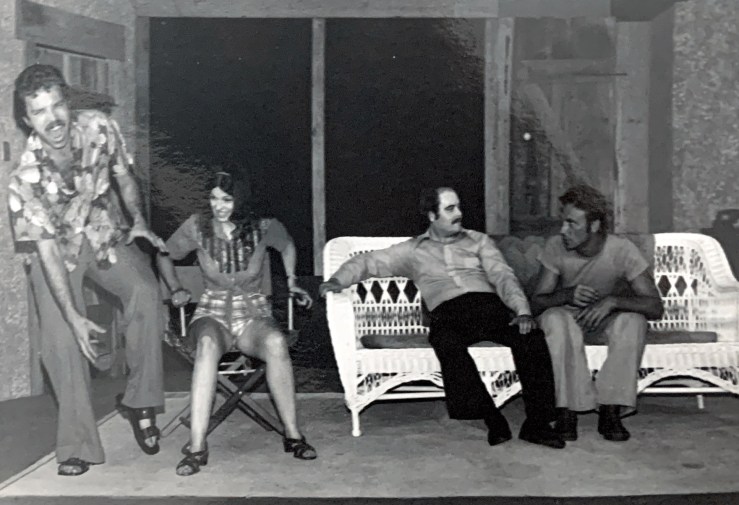
We were all looking forward to producing The Odd Couple. Our beloved drama professor and mentor, Stanley Harrison, would play the fastidious Felix, and one of his students, Bob Hahn (See part 13 of this memoir for Bob’s memories) would play the slob Oscar. The remainder of the cast was also top-notch, and the production was outstanding.
A BIT OF A RANT: My son John Warrick, Ph.D. drama professor, tells me that playwright Neil Simon has fallen out of favor. It is a victim of cancel culture. For me, this is a tragedy of epic proportions. I will love Simon and his plays forever. His characters are human, not weird or cartoon or stylized. His situations (plots) are completely believable, and his plays are funny and very clean for most of the time. Finally, his plays have made audiences worldwide happy and have made theatres worldwide a lot of money. If you lose money producing a Neil Simon play or musical, you’re in the wrong business. And if some new cultural mores wipe Neil Simon, and especially The Odd Couple, from the canon, woe to all of us.
Personally, I rank The Odd Couple right up there with the great comedies of Aristophanes and Shakespeare (playwrights who also have been targeted by cancel culture), and I mean that sincerely. The Odd Couple was a huge success as a play, a movie, and a television show. The script of The Odd Couple is so good that one or two of the original lines were used in nearly every one of the 114 episodes of the TV show. Simon re-wrote the play for a female cast, and it is every bit as funny as the original, and it may be even funnier. An all-Black version of the show has been successfully produced. The show was made into a cartoon show with a cat and a dog as the leads. It has been revived more times than I can count. If you have never seen The Odd Couple, I urge you to stream it soon! NOTE: Some references or lines in the play apparently can trigger bad reactions or maybe even laughter! RANT OVER.

Joe McGrath, Bob Hahn, Dave Ravetto, Richard Ferguson
A CRAZY MEMORY
I had been the prop mistress of The Odd Couple at the White Barn Theatre in Irwin, Pennsylvania in the summer of 1968 while I was in college. Stanley had gotten the job for me, and it’s where I met and worked for Tommie and Al Martin, who came to work for us when we opened Brooke Hills. Stanley had played Felix in the White Barn production as well.
At Brooke Hills, Stanley was reviving his role as Felix, and I was reviving my “role” as prop mistress. If you know the play, you will remember the place in the action where Felix is so mad at Oscar that he grabs the plate of spaghetti that Oscar is eating and throws the full plate, overhand, into the kitchen (off stage).
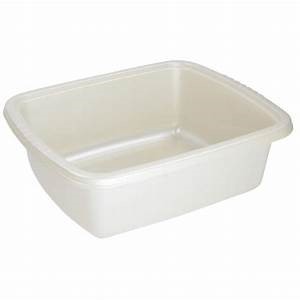
Offstage, we had stapled a sheet of plastic that covered part of the barn wall and also covered the floor where I stood with a plastic dishpan. Stanley threw, and I mean he really threw that plate of spaghetti, and I caught it every time in my little dishpan! Just as the plate hit the plastic pan, someone would drop a crash box full of old china to simulate the sound of the plate hitting the wall and breaking.
The secret of this whole piece of business is to catch the plate on the side of your body. As the plate hits the pan, you swing your arms back, so the plate doesn’t come to a dead stop, splashing spaghetti and sauce all over the place. We really couldn’t afford to have spaghetti draping the backstage walls which would invite more animals into the barn. We had enough of those already! After a few trial runs out in the yard, Stanley and I were back in sync. He never had a missed throw, and I caught the plate and the pasta and sauce every rehearsal and performance. All those hours of tossing and catching a baseball in the backyard with my dad when I was a kid finally paid off!

GARY SMITH REMEMBERS
I had known the Smith family almost my whole life. Like my family, the Smiths (Galen, Jr., his wife Lucille, and their three sons Galen, Greg, and Gary) were active in the Wellsburg United Methodist Church. It was such a nice surprise when Gary, who had just finished his freshman year at West Liberty, showed up for auditions in the spring of 1976.
I probably hadn’t seen Gary since he was 9 years old. Now he was 20 and over 6’ tall! For that summer and the next, Gary was a Playhouse fixture, appearing on stage or working behind the scenes on show after show. He even roped his twin brother Greg into several volunteer jobs such as stage managing and running the lightboard.

Gary wrote, “Although I didn’t spend much time onstage, working backstage was so much fun and gave me the experience I needed later to move to being onstage and ultimately directing shows.
“I remember the cramped space we had to work in backstage at the Playhouse, the infamous toilet stall in the kitchen/toolroom, the friendships made, the heat—my God the heat—not only in the backstage area but in the audience as well. And I remember Charlie Calabrese who worked at a Steubenville radio station. He could always be counted on to give the actors much-needed reassurance from the audience with his infectious laugh that we as actors needed during the slower and less interesting scenes of a play. He also reviewed our shows fairly and honestly.
“My best memories of Brooke Hills, though, were the friendships that were made and regardless of the actor’s age, we were always made to feel important and special. The confidence instilled in everyone who contributed to the success of the show made all the difference (at least to me). No one was belittled or criticized but propped up and supported. It was truly a FAMILY away from home.
“And I especially loved the cast parties around the campfire over by the Kiwanis Shelter roasting corn-on-the-cob right in the embers. Until then, I’d never had it that way. Since then, that’s the only way I’ll eat it.
“I remember one night after a show closed and the cast party had ended, going home VERY late. Before I dozed off to sleep in my bed, I thought to myself, ‘I’ve found my niche in life.’ I’ll never regret one single minute of my time with the greatest people imaginable.”
NOTE from Shari: Over the years, I’ve discovered that there are talented people everywhere, and I don’t mean just one or two. Talented people abound. The Playhouse gives those in the Upper Ohio Valley who have talent or desire to be a part of theatre productions near their homes. The Playhouse also introduces young kids and teenagers to live theatre. Many of them continue to audition and perform their entire lives while they work at their day jobs—everything from accountants, insurance agents, steel workers, and teachers to housewives, parole officers, and EMTs. Some of those young people find their life’s work in theatre at the Playhouse. Gary was one of those.

“After I graduated from West Liberty,” said Gary, “I went on the teach English, Speech, and Drama at Catholic Central High School in Steubenville, Ohio, where I ultimately directed Never Too Late, a show I’d appeared in at Brooke Hills!
“In 1981, I moved to Florence, South Carolina where I was actively involved in the Florence Little Theater. On my second day in Florence, I auditioned for a part in the musical Carousel and got the part of the villain, Jigger. I did several other shows there including the musical Annie, playing the role of Rooster. (I always seemed to get the villain roles!) I did several other plays and musicals at the Florance Little Theatre and directed the Lucille Fletcher play Night Watch. I taught a children’s workshop in theatre and was the drama teacher at South Florence High School for a few years where we did one-act play competitions for the state associations and full-length plays such as Arsenic and Old Lace. Eventually, I got burned out on teaching and left the profession to pursue sales and then accounting before retiring in 2019.
“I’m happily retired, and I spend my idle time watching musicals and plays on YouTube for entertainment.”

THE SEASON’S FINAL SHOW

and Rich Ferguson in Dames at Sea
The season flew by, and I do have one memory of the cast of the final show, a great, little musical called Dames at Sea. The show required that the cast tap dance! I think Jeannie Moninger (now Schwertfeger), the young female lead, was the only cast member who had taken tap dancing lessons. I also think that the cast went to the studio of local dance teaching legend, Shirley Rogers, for lessons and that Shirley also choreographed the delightful show in exchange for choreographer credit and an ad in the program.
BROADWAY, HERE WE COME!
In 1976, we started a new endeavor–taking busloads of people on trips to New York City to see Broadway plays. Bill and I arranged round-trip bus transportation, tickets to four Broadway shows, and hotel accommodation for two nights. People were on their own for meals. We didn’t arrange any tours. People were free to do whatever they chose to do between shows.
We always left around 11:00 p.m. from the Wellsburg Kroger parking lot on the Thursday before Veterans’ Day in early November. The buses held 45 people, and we sold out quickly. It is hard to believe, but those first few trips cost $100 per person! Transportation, hotel, and four Broadway shows–$100, and Bill and I went for free! Good grief, you can’t even get a Broadway ticket for anywhere near $100 now.
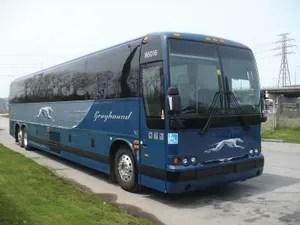
We’d stop in New Jersey for breakfast. Back on the bus, the theatre tickets for the weekend were distributed with a map of the theatre locations, and we would arrive at the Piccadilly Hotel on 45th Street around 9:00 a.m. Our rooms would never be ready until 2:00 p.m., so the labeled luggage was off-loaded from the bus and taken by the bellmen to a storage room in the hotel.
Everyone was then on their own for a day of sightseeing or shopping or museum browsing. People went back to the hotel sometime after 2:00 to receive their keys, find their luggage in their room, and freshen up before the evening began.
Over the course of the weekend, we would see a show Friday evening, a matinee and evening show on Saturday, and a matinee on Sunday with plenty of time for city exploring or even a late-night show at a club or cabaret after the Saturday evening show on Broadway. The buses would be waiting for us outside the theatre following the Sunday matinee, having collected our baggage from the hotel, and we’d head home to Wellsburg, stopping for dinner along the way, and arriving in the middle of the night. People would tip the bus driver, and we’d head our separate ways.

After a few years of the bus-only trips, we started flying to the city. We still met in the Kroger parking lot, but the buses (three buses carrying a total of 105 people the last two years) took us to the Pittsburgh Airport. We flew to Newark, New Jersey, where other buses would meet our group to take us to the Piccadilly. The cost of the trip (round trip transportation by bus and plane, hotel for two nights, and four shows) was $400–still an amazing bargain which made a few bucks for the Playhouse, too.
After nine or ten years, the trips had run their course, and we quit doing them. Besides prices on everything were rising, but those trips were a ton of fun, and we saw some wonderful shows!
WE MEET THE COOTES
Following the close of the 1975 season, Richard and Betsy Coote moved to Wellsburg from Natick, Massachusetts, just outside of Boston. Richard had been named the General Manager of the Westvaco bag plant just north of 22nd Street on Route 2 in Wellsburg. [NOTE: Today the plant is Mondi Bags USA.]

During the winter of 1976, my husband and fellow Playhouse co-founder, Bill Harper, decided to join the Wellsburg Elks Club. That evening I was waiting in the Elks Club bar with Aggie Harvey, the club general manager, while Bill was being inducted. Another wife soon joined us. Her name was Betsy Coote, and her husband Richard was also being initiated that evening. Betsy and I hit it off, and when the guys came out, introductions were made all around.
Bill and I told Rich and Betsy that we were going over to Harold’s Club (the bar we all called Betts’s and where the Playhouse crew often hung out in the summer). We invited the Cootes to join us. They did, and before long we were all great friends. Another couple soon joined our group—Beverly and Charlie DeBord. Bev and I both taught in the Brooke County School System, and she was one of our talented Playhouse actors. Charlie was a lawyer, whose office was right next door to Betts’s!
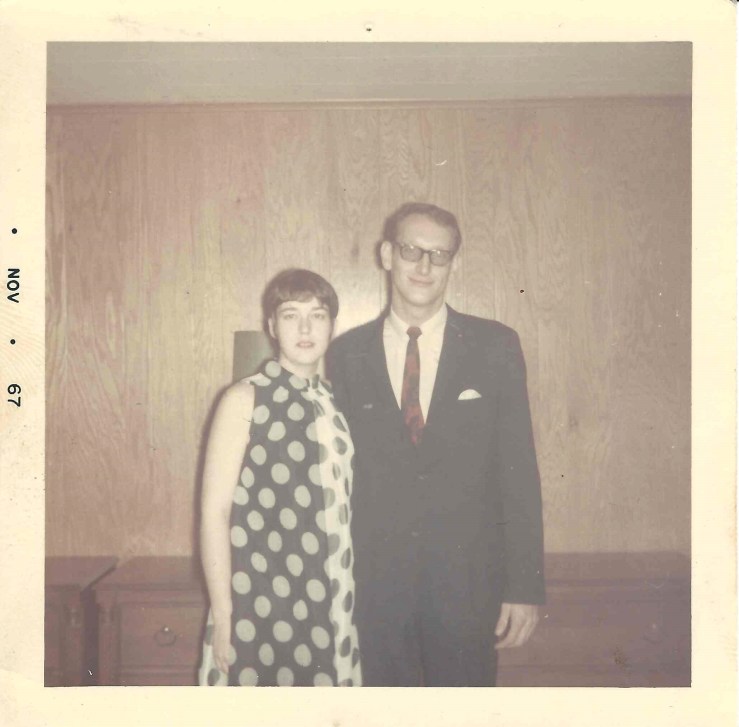
None of the three couples had children yet, and we started meeting for dinner several times a week. We’d meet at the Elks Club or Betts’s and argue about where to go for dinner over beers for an hour or so. We’d eat somewhere and 99% of the time return to Betts’s for talk and bar shenanigans. Oh, the stories!
When the Playhouse opened in the spring of 1977, Beverly DeBord was in the opening show, Fiddler on the Roof, and of course, Bill and I were involved in all aspects of the production and running the theatre. The Cootes had bought a lovely home on Washington Pike, just a mile or so from the Playhouse, across from Young’s Highway Market (Many of you will remember Young’s, as Gary, the owner, served as Brooke County’s sheriff for several terms. You might also remember that you could get anything at the market from freshly sliced bologna and cake mixes to birdseed and fertilizer.)
Richard and Betsy became Playhouse regulars for the next few summers and were always welcome at the cast parties.
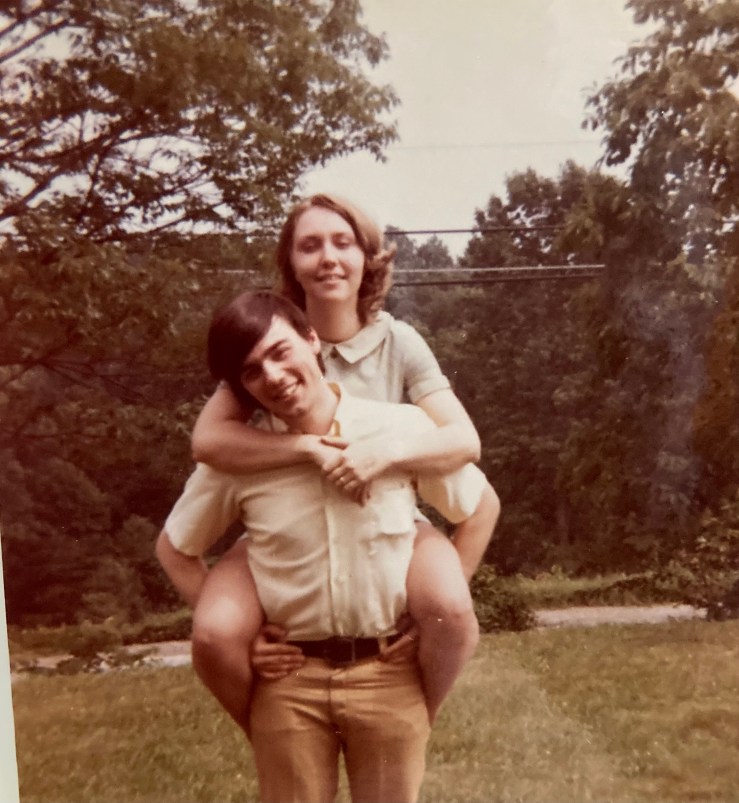
In November 1979, Richard was promoted to Region Manager for Westvaco which necessitated the Cootes’ moving to New Orleans. Gosh, we hated to see them go. Not long after the Cootes moved, a state trooper showed up on Bill and my doorstep early one chilly Saturday morning.
The trooper explained that Charlie had been killed in a car accident the night before, and one of his law partners had told the troopers they should get me to go notify Beverly of his death as she was pregnant with their first child. Riding to the DeBords’ home near Beech Bottom was a really long ride that morning. I knocked on the door.
When Bev saw me with the trooper at my back, she said something like, “It’s Charles, isn’t it?” (She always called him “Charles.”) As I nodded, Bev added, “And it’s bad, isn’t it?” I told her it was, that he had died in a car wreck. It was as though she had been expecting this news, maybe not on that morning, but she said she always knew his life wouldn’t be long. Charlie and Bev had known each other since high school, and he had never been one to turn down an adventure, a challenge, or an opportunity for a good time.
Charlie was buried in his hometown of Alum Creek, not far from Charleston, W. Va. Richard flew back from New Orleans to put a joint in Charlie’s coffin and to mourn with Beverly. I did a reading at his service. Bev moved back to England, W. Va., also near Charleston, to be near her family until baby Charlie was born.
The great, fun group of the Harpers, Cootes, and DeBords, who had vowed to stay in touch and get together every so often, was no more.
However, the story didn’t end there. Eventually, Bill and I divorced, and Richard and Betsy divorced, and in June 1994, my phone rang. It was Richard! We talked and kind of caught up. He came for a visit that August from his home now in California. One night we were going out for dinner, and we ran into my Aunt Alice and Uncle Bob (who were such great supporters of the Playhouse in addition to being a wonderful aunt and uncle).
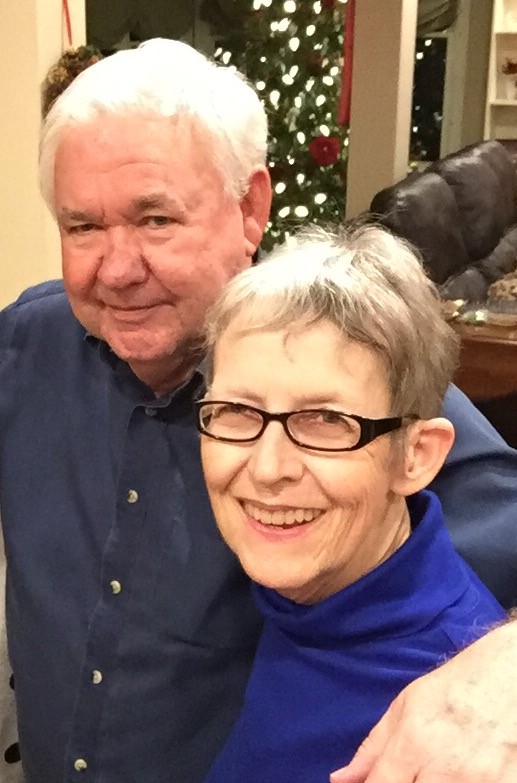
Aunt Alice looked at us as we stood near their table, and she said, “Well, it looks like you two finally got it right.” I was flabbergasted. She went on to say that all those years ago, she always felt that Rich and I were a better match than Rich and Betsy or Bill and me. That was a shocker. I wish she’d said something to thick, old me years earlier! LOL!
That December, Richard and I got engaged. One of the first people we called was Beverly. I said, “Guess what,” hoping to surprise her. “You and Richard are getting married,” just like that out of the blue!
“Wow,” I said, “Why would you even think that?”
“You sound so happy, and you two were meant for each other.” Was I the only clueless person around? I guess so, but it doesn’t matter. Richard and I have now been very happily married for 28 years.
ACCOLADES FOR AN AMAZING ACCOMPLISHMENT

We missed a publicity opportunity at the end of this season. We should have sent out a press release with the headline screaming FERGUSON SETS A RECORD! Richard (Rich) Ferguson from St. Clairsville, Ohio (not to be confused with Rich Ferguson from Wellsburg who has been the Brooke County Sheriff and the Wellsburg Chief of Police) was in every, single show of the 1976 season. That’s 8 plays in 13 weeks—three weeks of rehearsals then 10 weeks of performances. And we’re not talking bit parts either. He had leads or significant roles in each one! It was an incredible feat, and I doubt that in the ensuing 47 seasons it has been matched!
I used to tease Rich that he was born at the age of 40. He was only 21 and fresh out of West Liberty that spring when he showed up at the barn during that first summer of 1972. Sadly, he was already starting to go bald, and he had an “old soul.” He was often so serious, sometimes curmudgeonly, and too, he could be fussy, but he had a quick wit and real talent and timing. He wasn’t the leading man type, but he often played one successfully. He was a character actor, and he was good at it—villains, best friends, comic relief, fathers, husbands, neighbors, ship captains, mayors, and so many more. He played them all.
And how did he memorize all of those lines? Years after some show was over, how could he still quote those lines, slipping them into conversations when appropriate, and often having to quote the source for the rest of us? I wish I could remember Richard’s last show, when Richard left the immediate area, and what year he moved to Pittsburgh, but sadly, I can’t. I think it was in the late 1980s. Whenever it was, he left a legacy and a lot of memories. He filled a lot of roles, and he was sincerely missed.
Linda Huggins Remembers Richard
I wish I had kept a list of all the shows Richard and I did together—often playing opposite each other. He really was an amazing talent, and boy, could he memorize lines. Several times when we were in “weightier” shows, he would help me with character development, and I often used his suggestions. I was always comfortable when I was on stage with him. He was so reliable, and those on stage with him knew we could rely on him if we somehow got off book. He would calmly help us get back to where we were. I’m not sure he had a happy life, but he did love to act.
Tom Ott Remembers Richard
I’m not sure of the year, but we were rehearsing the show in a church in Wellsburg. Richard was the director. It was a small cast. Anyway, lo and behold – the young guy who was cast in the play “saw Jesus while in the church and had to quit his wicked theatrical ways.” He dropped out!
Poor Richard. He asked me to switch roles. (I was the handsome leading man. LOL!)
I said, “No, way.” I had learned my lines, and my character was right up my alley.
(By the way, I hated memorizing lines. I had a very labor-intensive technique to do that.)
Anyway, poor Richard had to step into a role very, very unsuited to his physical appearance, but the show went on, and he pulled that turkey out of the fire.
I always thought of it as a lesson to be learned. Don’t rehearse in church, and if you do, make sure everyone is a heathen!
Anne Roberts Remembers Richard
Richard and I did several plays together in the 1970s and (maybe) ‘80s. We were typically cast as spouses or friends and thus became dear friends.
He had a wonderful dry humor and that was only one reason why we got along so well. He could certainly be trusted with my innermost thoughts and confidences, and we confided in and trusted each other completely. It was like we were best friends.
We acted together for several years and shared several plays as a duo. I still can visualize him as several characters, including the Nazi-tolerant best friend of the leading man, Max, in The Sound of Music.
He came home for lunch with me a couple of times between rehearsals, and I fondly remember that he was amazed that I made the water boil above the top of the pan when I was cooking spaghetti, which it actually does.
We lost touch after I got a full-time job teaching in Wheeling, and I regret that. I was so fond of Richard, and my memories will always be so.
T.C. (Tom Cervone) Remembers Richard
Oh, gosh, Shari, when I think of Rich, I remember John Hennen referring to him as “Ricardo Ferguson” and his shoes in Arsenic and Old Lace that either were too large or poorly designed because they curled up at the toes. He looked like the court jester with those on his feet.
He was such a nice guy, kind and gentle, but would occasionally get irritated with some of our out-of-town guests (He would share with me on the QT), but he was always prepared, knew his lines perfectly, and took the “kidding” and “ribbing” from John and others with a great sense of humor. And as many shows as I did from 1972-1975, I didn’t (sad to say) get to spend a lot of time with him on stage. But he was certainly all-in, all the time! RIP, dear Ricardo!

in The Marriage Go Round

in Finishing Touches

 Life Without Lesson Plans
Wow. This was amazing. Shari I didn’t realize you were friends with Richard Coote during the Playhouse years and then later married him. This was a very interesting blog. Thank you. Cheers, Marti
LikeLiked by 1 person